Masters in Urology 2008 - Interstitial Cystitis and Pelvic Pain Syndromes
Friday, 01 August 2008
Presented by: Grannum R. Sant, MD, FRCS, FACS, at the Masters in Urology Meeting - July 31, 2008 - August 2, 2008, Elbow Beach Resort, Bermuda
Objectives:
Discuss the new terminology and disease classification of interstitial cystitis (IC)
Present data on epidemiology of the disease including its overlap with other pelvic organ syndromes
Review current approaches to diagnosis
Provide overview of current treatment approaches
Material and Methods:
Review of evidence-based literature and expert consensus-based opinion on interstitial cystitis. This is augmented by discussions with national and international experts on IC during recent IC international meetings and AUA annual meetings.
Introduction:
Interstitial cystitis (IC) is a heterogeneous bladder and pelvic organs syndrome of unknown etiology and is characterized by irritative voiding symptoms and pelvic pain. Symptoms overlap and are frequently confused with chronic pelvic pain, syndromes, prostatitis, overactive bladder (OAB), and chronic cystitis. Over recent years there have been attempts to reclassify and expand the nomenclature of IC- painful bladder syndrome (PBS), bladder pain syndrome (BPS).
The etiology and pathophysiology of IC/PBS/BPS remain unknown. However, it is generally accepted that the following are involved - sensory bladder afferent nervous systems with spinal cord and central nervous system upregulation, defective epithelial permeability secondary to a bladder surface glycosaminoglycans (GAGs) abnormality, a neuro-inflammatory component involving bladder mast cell activation. A possible immune biology is suggested by the overlap with diseases such as irritable bowel syndrome and Sjogren’s syndrome.
Diagnosis:
IC/PBS/BPS should be suspected in patients with irritable voiding symptoms (frequency, nocturia) and bladder/pelvic pain in whom specific bladder and pelvic diseases have been excluded. Symptoms can overlap and occur in conjunction with gynecologic causes of chronic pelvic pain (CPP), chronic prostatitis/chronic pelvic pain syndromes (CP/CPPS) in men, OAB and chronic bacterial cystitis.
Clinical diagnosis is by exclusion of specific disease in the face of symptoms as assessed by history or one of the IC- related self-administered patient questionnaires e.g.; O’Leary-Sant or Pain/Urgency/Frequency. Cystoscopy and hydrodistension excludes specific diseases such as carcinoma-in-situ, radiation cystitis, assesses bladder capacity and degree of mast cell involvement and activation. Glomerulations are a tell-tale feature of IC and about 5% patient will have severely reduced bladder capacity and Hunner’s ulcers.
Treatment:
General supportive measures include dietary modification with limitation of alcohol, citrus/tomatoes, coffee, spices, citric acid and carbonated beverages. Psychological and behavioral modifications are also useful. Oral drugs are beneficial in treatment of IC/PBS/BPS- amitriptyline, the synthetic GAG sodium pentosanpolysulfate (Elmiron), the anti-histamine Hydroxyzine and anti-muscarinic agents. Frequently these drugs are used in a combination multi-modality treatment approach. Intravesical therapies include heparin, dimethyl sulfoxide, Bacillus Calmette-Guerin (BCG), lidocaine, bicarbonate and steroids. Complimentary treatments include pelvic floor manual massage therapy, relaxations techniques, acupuncture etc. Neuromodulation with nerve stimulators (S3, pudendal) can be helpful. Rarely is major surgical reconstruction indicated. Pain management is a critical feature in disease management and referral to a multi-disciplinary pain clinic is required in selected cases.
Summary:
IC/PBS/BPS is a common and under diagnosed condition. A high index of clinical suspicion is required for correct diagnosis and the condition has significant overlap with chronic prostatitis/chronic pelvic pain syndrome in men. Diagnosis can be purely clinical using questionnaires but cystoscopic confirmation and assessment is supportive and can help “personalize” patient treatment. A variety of oral and intravesical agents are available and utilization of a multi-modality treatment approach results in meaningful symptomatic improvement in a large number of patients.
References:
Weiss JM. Pelvic floor myofascial trigger points: manual therapy for interstitial cystitis and the urgency-frequency syndrome. J Urol; 166:2226-2231, 2001
Nordling J. Primary evaluation of patients suspected of having interstitial cystitis (IC). Eur Urol; 45(5):662-9, 2004
Wyndaele JJ. Evaluation of patients with painful bladder syndrome/interstitial cystitis. Scientific World Journal; 5:942-9, 2005
Dimitriakov J et al: Pharmacologic management of painful bladder syndrome/interstitial cystitis: a systematic review. Arch Intern Med; 167(18):1922-9, 2007
Theoharides TC: Treatment approaches for painful bladder syndrome/interstitial cystitis. Drugs; 67(2):215-35, 2007
Evans RJ, Sant GR: Current diagnosis of interstitial cystitis: an evolving paradigm. Urology; 69(4 Suppl):64-72, 2007
Sant GR et al: The mast cell in interstitial cystitis: role in pathophysiology and pathogenesis.Urology; 69(4 Suppl):34-40, 2007
Masters in Urology - Interstitial Cystitis & Pelvic Pain Syn
-
webslave

- Maintenance

- Posts: 11432
- Joined: Wed Oct 30, 2002 3:18 pm
- Location: Please give your location so we can help better
Masters in Urology - Interstitial Cystitis & Pelvic Pain Syn
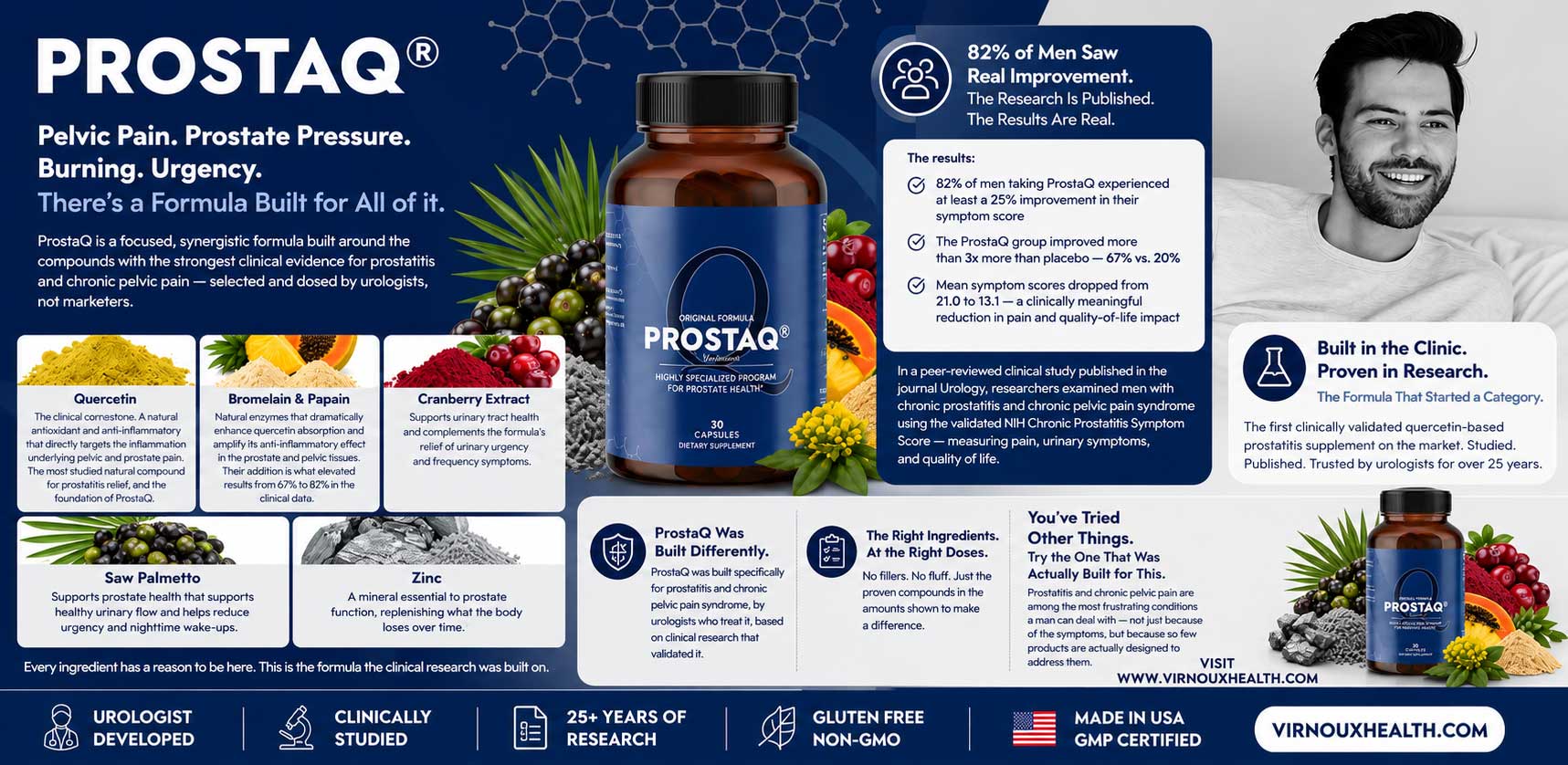
Good News! The great ProstaQ is BACK at last! You must try it.
| HAS THIS SITE HELPED YOU? Say Thanks by donating. Keep the Forum alive on the Internet! PayPal link at end of page ↓ Contact me at support at ucpps.men |  |
-
webslave
- Maintenance
- Posts: 11432
- Joined: Wed Oct 30, 2002 3:18 pm
- Location: Please give your location so we can help better
Re: Masters in Urology - Interstitial Cystitis & Pelvic Pain Syn
Masters in Urology 2008 - Take Home Message - Interstitial Cystitis and Pelvic Pain Syndromes
Wednesday, 06 August 2008
Presented by: Grannum R. Sant, MD, FRCS, FACS, at the Masters in Urology Meeting - July 31, 2008 - August 2, 2008, Elbow Beach Resort, Bermuda
Wednesday, 06 August 2008
Presented by: Grannum R. Sant, MD, FRCS, FACS, at the Masters in Urology Meeting - July 31, 2008 - August 2, 2008, Elbow Beach Resort, Bermuda
- Hallmark is irritating voiding symptoms and pelvic pain
- Differential diagnosis
- Prostatitis
- Cystitis
- Overactive bladder
- Etiology unknown
- Afferent CNS upregulation
- GAG layer defect
- Autoimmune
- Diagnosis of exclusion
- Cystoscopy warranted
- Supportive measures
- Limit alcohol, spices, citrus, caffeine, carbonation, tomatoes
- Psychosocial and behavioral modifications
- Oral medications
- Tricyclics
- Elmiron
- Hydroxizine
- Anti-muscarinics
- Intravesical remedies
- Heparin
- Dimethyl sulfoxide
- BCG
- Lidocaine
- Bicarbonate
- Steroids
- Neuromodulation for extreme cases
- One must personalize treatment
Good News! The great ProstaQ is BACK at last! You must try it.
| HAS THIS SITE HELPED YOU? Say Thanks by donating. Keep the Forum alive on the Internet! PayPal link at end of page ↓ Contact me at support at ucpps.men | |